Energy-Efficient Shades in Denver: How Cellular Shades Cut Heating and Cooling Costs
How cellular honeycomb shades insulate Denver homes against winter cold and high-altitude summer sun, which rooms benefit most, and how to choose single vs double cell.
Updated September 14, 2026
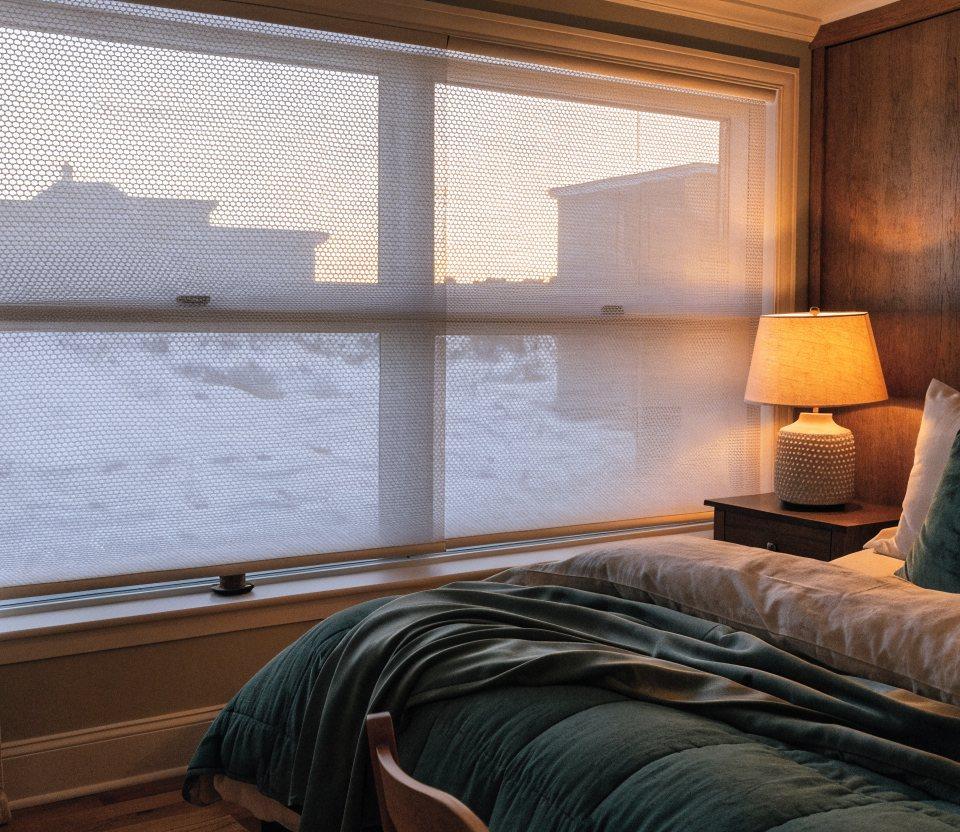
Denver's climate asks a lot of your windows. Winter nights drop well below freezing, summer afternoons push intense high-altitude sun through west-facing glass, and shoulder seasons can swing forty degrees in a single day. Glass is the weakest insulator in your home's envelope, which means your windows are where a significant share of your heating and cooling dollars escape. Energy-efficient shades, and cellular shades in particular, are the most effective window treatment answer to that problem.
We specify insulating shades across the Denver metro, from drafty historic homes in Washington Park to big glass walls in new Highlands Ranch builds. Here is how cellular shades work, which options matter, and how to decide if they belong in your home.
Why do windows matter so much for energy bills in Denver?
Every window is essentially a hole in your insulation. In winter, warm indoor air gives up its heat to cold glass, and you feel it as a chill near the window even when the thermostat says the room is warm. In summer, the equation flips: solar radiation pours through the glass and your air conditioner fights to keep up. At our altitude the sun is stronger than most of the country, so west-facing rooms can overheat fast on a clear afternoon.
Window treatments cannot replace good glass, but the right shade creates a pocket of still air between your room and the window, and still air is a genuinely effective insulator. That is the entire principle behind cellular shade design.
How do cellular shades actually insulate a window?
Cellular shades, often called honeycomb shades, are built from fabric formed into a stack of hexagonal cells. Each cell traps a column of air, and because trapped air resists heat transfer, the shade acts like a layer of quilted insulation across the glass. Lower the shade on a cold night and the cells slow the movement of warm room air toward the cold window. Lower it against the afternoon sun and the cells block and buffer solar heat before it reaches your room.
The effect is something you can feel immediately. Rooms with cellular shades hold temperature more evenly, cold drafts near glass calm down, and the space simply feels more comfortable at the same thermostat setting. For the biggest gains, we recommend lowering shades on winter nights and during peak summer sun, which is also where motorization earns its keep. Our motorized and smart window treatments guide explains how schedules and scenes can handle that for you automatically.
Single cell or double cell: which is right for your home?
Single-cell shades use one row of honeycomb pockets and offer solid insulation with a slimmer profile and a slightly crisper look at the window. Double-cell shades stack two rows of smaller pockets, trapping more air and delivering the highest insulating performance available in a shade. For most Denver bedrooms and living spaces, single cell is a comfortable, attractive choice. For rooms that run cold, large expanses of glass, or homes where energy savings are the top priority, double cell is worth the modest step up.
Cell size matters too. Larger cells suit larger windows visually, while smaller cells look proportionate on narrow windows and doors. During a consultation we hold actual samples against your windows so you can see the scale and feel the fabric before deciding. You can browse the collection on our cellular shades page.
Which rooms benefit most in a Colorado home?
Bedrooms are the classic answer. A blackout cellular shade insulates and darkens in one product, which means warmer winter nights and better sleep. West-facing great rooms and kitchens come next, because blocking afternoon sun takes real load off your cooling system. Basements, which run cold all winter in Denver homes, benefit noticeably on every window.
Do not overlook specialty glass either. Skylights, angled windows, and sliding doors are all candidates for cellular products designed for those openings, and they are often the leakiest glass in the house. If your kitchen is a trouble spot, our Denver kitchen window treatment guide covers how we balance insulation with grease and steam concerns in that room.
Do energy-efficient shades still look high-end?
They do now. Early cellular shades had a utilitarian reputation, but current designer collections come in sophisticated textures, linens, and colors that hold their own in a luxury interior. The headrails are slim, the stacks are tight, and from across the room a well-chosen cellular shade reads as a clean, tailored window treatment rather than an appliance.
Cellular shades also layer beautifully under drapery. The shade does the insulating and light filtering while the drapery adds softness and couture presence, a combination we install constantly in Denver's nicer homes. If that pairing interests you, our custom drapery guide walks through fabrics, linings, and fullness.
How do cellular shades compare to Roman shades for insulation?
Both help, but they work differently. A cellular shade insulates through trapped air in its honeycomb structure, which is purpose-built for thermal performance. A Roman shade insulates through fabric weight and lining, especially when interlined, and brings more decorative presence to the room. For pure energy efficiency, cellular wins. For softness and style with a thermal benefit, an interlined Roman is a strong choice.
Many clients end up with both in the same home: cellular in bedrooms and utility spaces, Romans in the dining room and study. Our complete guide to custom Roman shades covers linings and fabrics in detail if you are weighing the two.
What is the best way to choose the right insulating shade?
See and touch the options in your own light. Fabric opacity, cell size, and color all read differently against your glass at your altitude, and a quick in-home visit answers questions a website cannot. Our complimentary consultation brings cellular, Roman, and drapery samples to your windows so you can compare insulation, light control, and style side by side. Explore our cellular shade collection, then book a visit and we will help you make your home more comfortable in every season.
What happens after you choose?
Professional measuring and installation. Every custom order is measured opening by opening and installed by our team. See what that involves in the Denver installation guide, and compare product types in our shade styles guide.
Serving Denver since 1999
Blinds Couture Showroom
590 Quivas St
Denver, CO 80204
(720) 729-0091

Blinds Couture
Denver's premier custom window treatment studio
With over 25 years serving Colorado homeowners and designers, Blinds Couture brings expert knowledge in custom drapery, blinds, shades, shutters, and motorized window treatments. Our team combines design expertise with hands-on craftsmanship to create beautiful, functional spaces.
Learn more about our team