How Much Does Custom Drapery Cost in Denver? 2026 Pricing Guide
What custom drapery costs in Denver, what drives the price per window, and how fabric, fullness, lining, and hardware change your quote.
Updated September 14, 2026
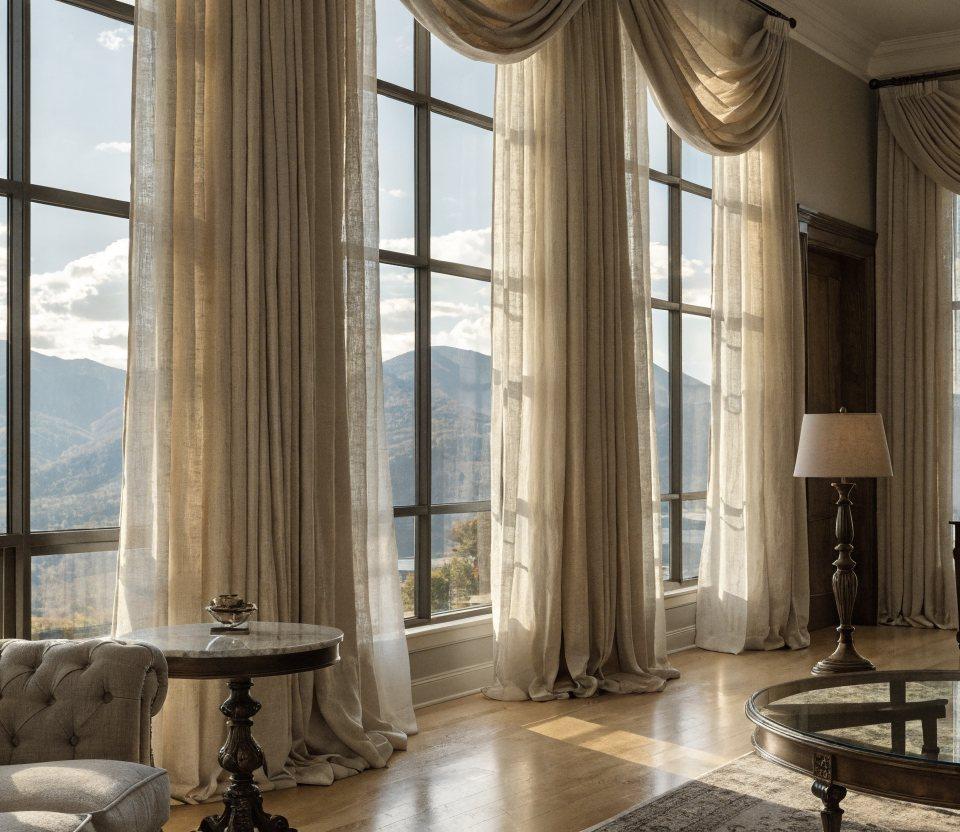
Custom drapery in Denver is priced per project rather than per panel, because no two windows, fabrics, or rooms ask for the same thing. As a working frame of reference, most custom drapery projects land meaningfully above ready-made panels of similar size, with fabric, fullness, lining, pleat style, and hardware doing most of the deciding. The honest answer to "what will mine cost" is always a quote built from your exact windows, but understanding the drivers below will tell you where the money goes and where you can adjust.
We fabricate custom drapery in our own workroom and install it across the Denver metro, so these are the same levers our designers walk through during your complimentary consultation. For a broader look at styles and options, our designer's guide to custom drapery is the companion piece to this one.
What does custom drapery cost in Denver?
Every custom quote starts with measurements, because drapery is priced largely on fabric yardage and labor. A single stationary panel for a small window is a modest project. A wall of floor-to-ceiling, interlined, two-and-a-half-times-fullness drapery in a designer silk is a significant one. Most Denver projects we complete fall somewhere between those poles, room by room.
What custom buys you over ready-made is fit, fabric quality, and finish: panels sewn to your exact window, pattern matched across seams, with weighted hems and linings chosen for your light. Ready-made panels cost less upfront but rarely fit properly and often need replacing within a few years, which is why so many of our clients come to us after a round of store-bought disappointment.
How does fabric choice change the price?
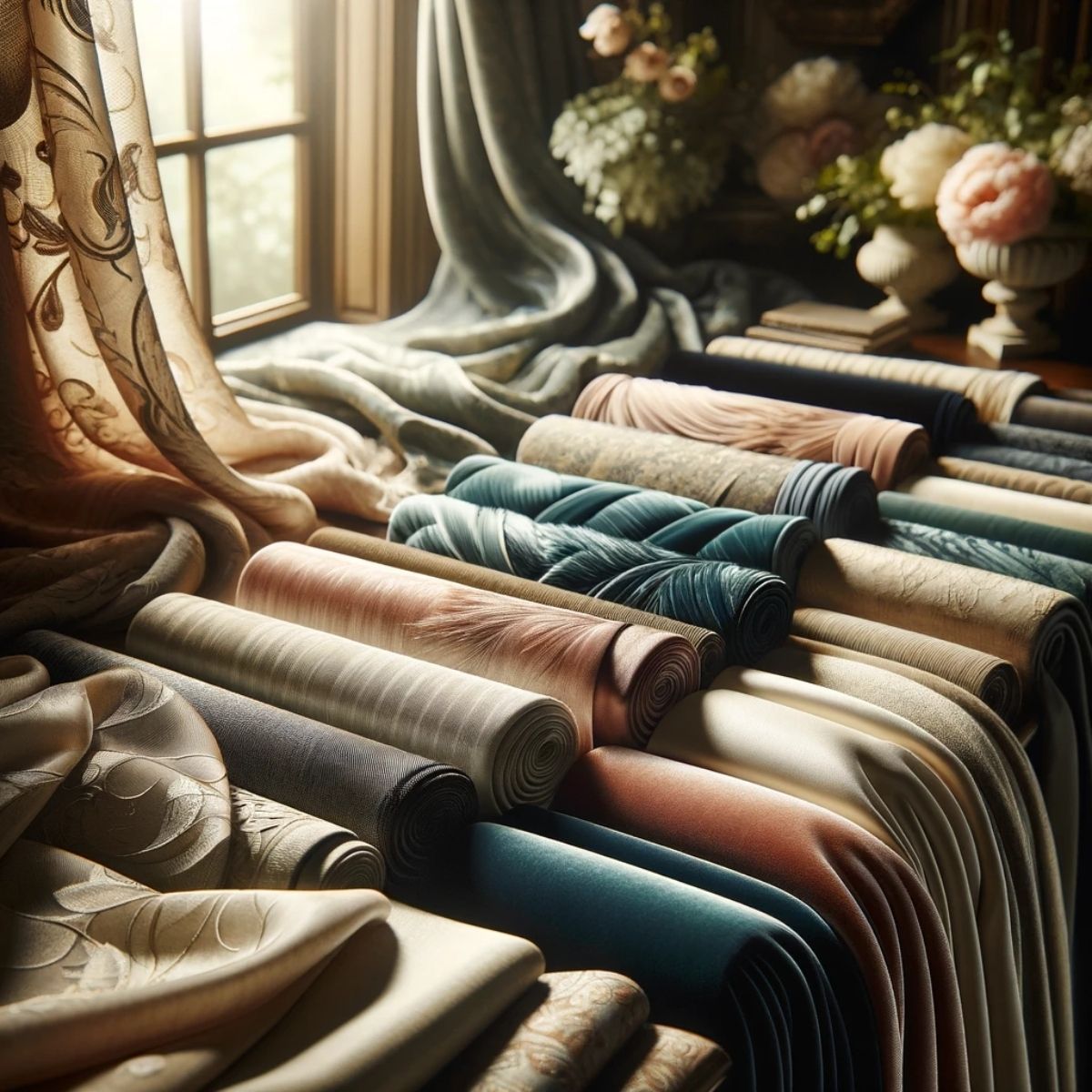
Fabric is usually the largest single line item. Designer textiles range widely, from accessible linens and cottons to premium wools, velvets, and silks, and the per-yard price multiplies across every yard your window requires. Performance fabrics that resist fading in Colorado's high-altitude sun sit in the middle of the range and are often the smartest spend for south and west-facing rooms.
Because fabric dominates the budget, it is also the easiest place to tune a project to a number. Our fabric library spans every tier, and part of the consultation is finding the textile that gives you the look you want at a price that makes sense.
Why does fullness multiply the budget?
Fullness is the ratio of fabric width to window width, and it directly multiplies your yardage. A window dressed at two and a half times fullness, the classic couture standard, uses two and a half times the fabric of a flat panel. That is what creates the deep, even ripples you see in design magazines, and it is also why skimping on fullness is the false economy that makes drapery look thin.
The good news is that fullness can be tuned by fabric. Heavy velvets and wools look rich at two times fullness, while sheers need more to avoid looking sparse. Choosing a fabric with body can deliver a luxurious look with less yardage.
What do linings and interlinings add?
Lining adds a modest amount per panel and earns it back quickly. A standard lining protects your face fabric from Denver's intense UV, gives the panel body, and presents a uniform look from the street. Blackout lining costs a bit more and delivers true room darkening for bedrooms. Interlining, a flannel layer between face fabric and lining, adds the most but also adds insulation and that full, luxurious drape you cannot fake.
In our climate, lined and interlined drapery also works as a thermal layer over the glass. If energy performance is part of your math, our guide to energy-efficient cellular shades covers the shade side of that pairing.
How much do pleat style and fabrication details matter?
Pleat style affects labor more than materials. Pinch pleats and Euro pleats require precise, hand-finished tailoring at the header, while ripplefold panels are engineered for track systems. The differences are real but secondary to fabric and fullness. Where fabrication details matter most is in longevity: pattern matching, weighted hems, and proper header construction are what keep drapery hanging beautifully for decades instead of seasons.
What should you budget for hardware?
Hardware is its own line item and worth doing right. Lined, interlined panels are heavy, and undersized rods sag or pull from the wall. We size rods, tracks, and brackets to the actual load, with finishes from hand-forged iron to minimal architectural tracks. Hardware typically represents a modest share of the total project, and our hardware collection shows the range.
What does motorization add?
Motorized drapery tracks add the motor, track system, and controls to the project, and they are one of our favorite upgrades for tall windows and primary suites. The premium varies with window width and control options, and it layers on top of the drapery itself. For a detailed breakdown of motorization pricing across shades and drapery, see our Denver motorized shades cost guide.
How do you get an exact quote?
The only accurate number is one built from your windows. Our complimentary in-home consultation includes precise measurements, fabric selection from books we bring to you, and a written quote with every line item explained. For context on how we price other custom treatments, our Roman shade cost guide uses the same transparent approach. When you are ready, explore our custom drapery services in Denver and book your visit. We will bring the workroom to you.
Serving Denver since 1999
Blinds Couture Showroom
590 Quivas St
Denver, CO 80204
(720) 729-0091

Blinds Couture
Denver's premier custom window treatment studio
With over 25 years serving Colorado homeowners and designers, Blinds Couture brings expert knowledge in custom drapery, blinds, shades, shutters, and motorized window treatments. Our team combines design expertise with hands-on craftsmanship to create beautiful, functional spaces.
Learn more about our team