Roman Shades vs Roller Shades in Denver: Which Belongs in Your Home?
A designer comparison of Roman shades and roller shades for Denver homes: style, light control, maintenance, blackout performance, motorization, and cost.
Updated September 14, 2026
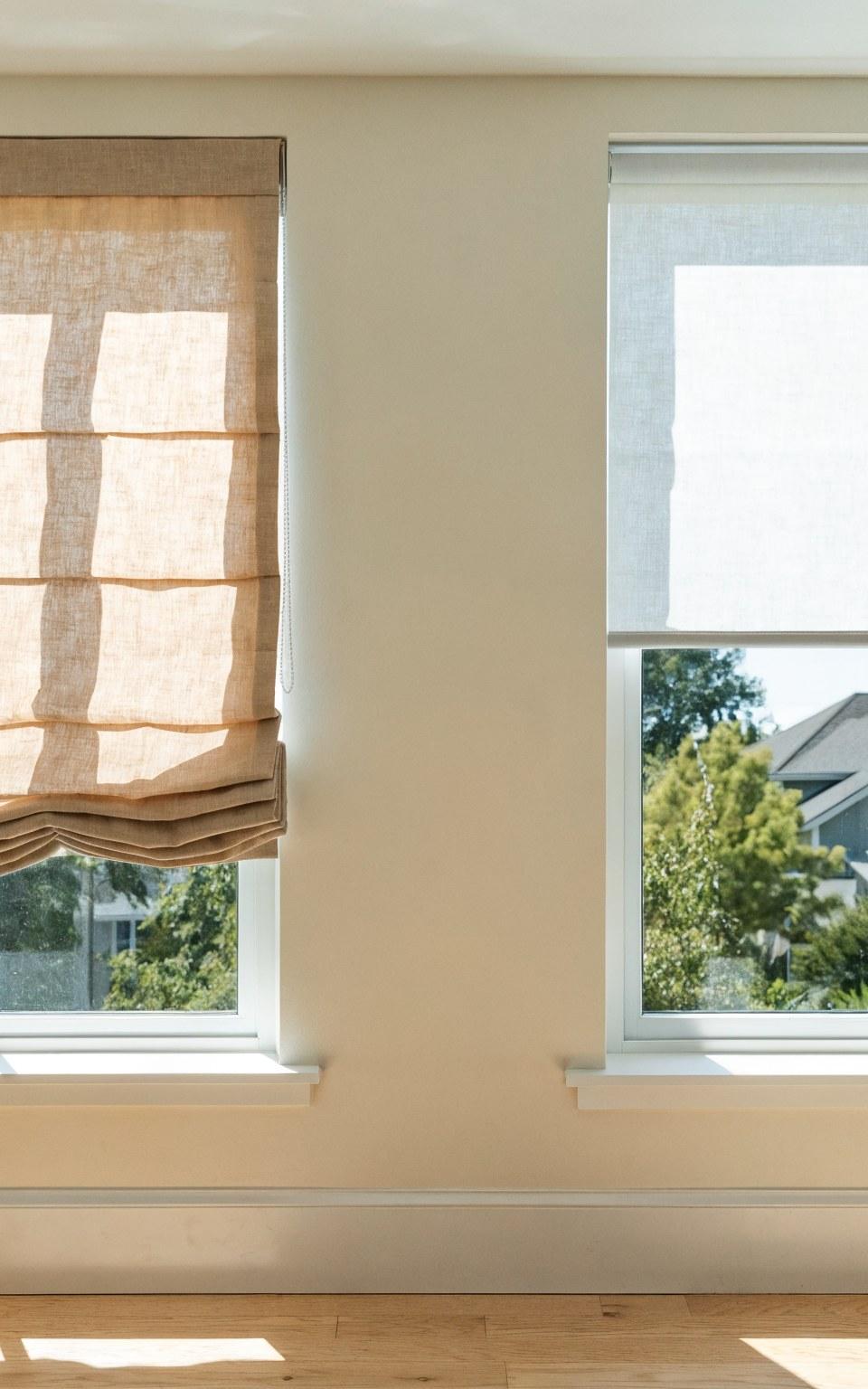
Roman shades and roller shades both cover a window with a single panel of material, but they behave very differently. Roman shades fold into soft horizontal pleats and read as tailored fabric decor. Roller shades disappear into a slim roll and read as clean and minimal. The right choice for your Denver home depends on the room, the look you want, and how much sun that window takes.
We fabricate and install both styles across the Denver metro, so this comparison reflects what we actually see working in local homes rather than generic advice. Here is how the two styles stack up on the decisions that matter.
What is the real difference between Roman and roller shades?
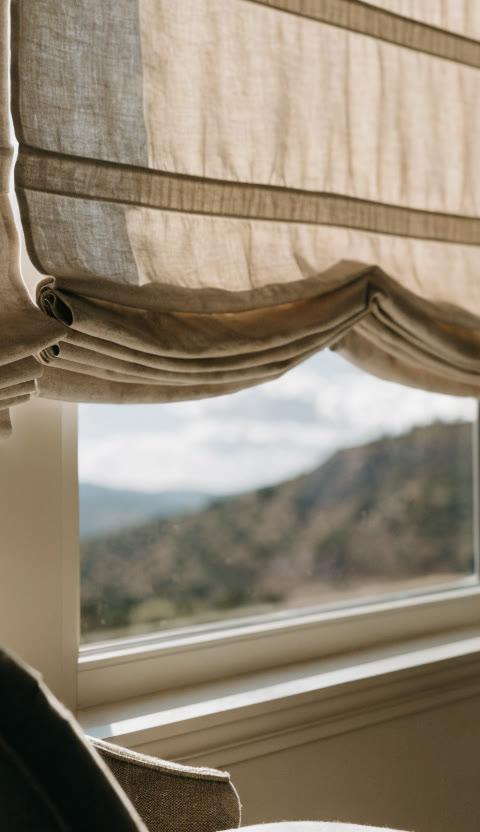
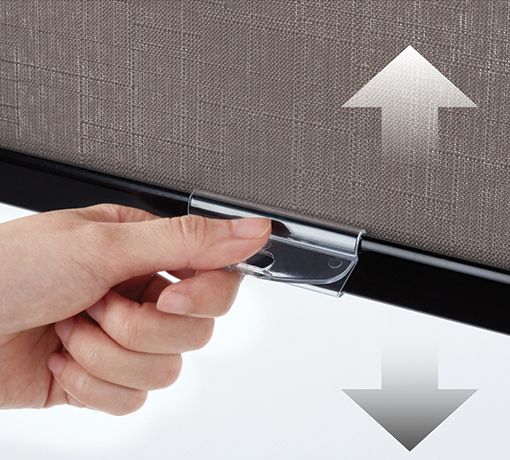
A Roman shade is sewn from drapery-weight fabric with horizontal structure built in, so it rises into a series of soft folds. Even fully lowered, it looks like a dressed window. A roller shade is a single sheet of technical fabric that wraps around a tube at the top of the window. Raised, it nearly vanishes. Lowered, it is a flat, architectural plane.
Think of it this way: a Roman shade adds softness and texture to a room, while a roller shade adds light control without changing the room's visual character. Neither is better. They simply do different design jobs.
Which style handles Denver's sun better?
For pure solar management, roller shades have the edge. Solar screen fabrics are woven to precise openness factors, typically 1 to 10 percent, which block UV and glare while preserving your view of the mountains. On a west-facing great room in Highlands Ranch or Lone Tree, a 3 percent solar roller shade can cut heat gain dramatically without making the room feel closed in.
Roman shades manage light through fabric weight and lining rather than openness factor. A lined Roman shade diffuses harsh light beautifully and protects interiors from UV, but it is either up or down. There is no partial view-through setting. For a deeper look at fabric and lining choices, see our complete guide to custom Roman shades in Denver.
Which style wins on style?
Roman shades, decisively, if softness is the goal. They bring pattern, texture, and the hand of real fabric to a window, and they layer naturally with drapery panels. In traditional Cherry Creek interiors and warm transitional spaces, Romans are usually the right call.
Roller shades win in modern and minimalist rooms where the window treatment should disappear. In contemporary Denver builds with clean lines and big glass, a roller shade in a textured neutral keeps the architecture in charge. Many of our clients mix both: rollers in the modern great room, Romans in bedrooms and the dining room.
Which is easier to clean and maintain?
Roller shades are the low-maintenance option. Most solar and blackout roller fabrics wipe clean with a damp cloth, and the single-panel construction collects very little dust. Roman shades need occasional vacuuming with an upholstery attachment, and their folds can hold dust along the pleat lines. In kitchens especially, where grease and cooking residue travel, we usually steer clients toward rollers.
Which works better for bedrooms and blackout?
Both can achieve true blackout, but they get there differently. A blackout Roman shade pairs a dense face fabric with a blackout lining, giving you room darkening with a soft, finished look. A blackout roller shade uses an opaque technical fabric, often with side channels to kill the light gaps at the edges.
For nurseries and media rooms where every sliver of light matters, a channeled blackout roller is the most complete solution. For primary bedrooms where you want darkness plus a dressed, layered window, a blackout-lined Roman shade with stationary drapery panels is hard to beat.
Can both styles be motorized?
Yes. Both Roman and roller shades motorize beautifully, and both integrate with smart home scenes and schedules. Motorized roller shades are the most common automation project we install because the mechanism is simple and quiet. Motorized Romans cost a bit more to engineer because of the fabric weight and fold structure, but the result is seamless. Either way, motorization removes lift cords, which is the safest choice for homes with children and pets.
Which one costs more?
Roman shades typically cost more per window because they are sewn goods: more fabric, more labor, and often a lining. Roller shades use less material and simpler construction, so they usually come in lower at the same window size. For current numbers, our Roman shade cost guide for Denver breaks down pricing by fabric, lining, and motorization.
How do you choose, room by room?
Choose Roman shades for dining rooms, bedrooms, offices, and any space where the window should feel decorated. Choose roller shades for kitchens, modern great rooms, and west-facing glass where glare control is the priority. And remember that the two styles coexist well: many Denver homes we finish use both, unified by coordinated fabrics and finishes.
The fastest way to decide is to see both in your own light. Our complimentary in-home consultation brings Roman and roller samples to your windows so you can compare them side by side. Explore our custom Roman shades and full shade collections, then book a visit and we will help you land on the right style for every room.
Serving Denver since 1999
Blinds Couture Showroom
590 Quivas St
Denver, CO 80204
(720) 729-0091
Blinds Couture
Denver's premier custom window treatment studio
With over 25 years serving Colorado homeowners and designers, Blinds Couture brings expert knowledge in custom drapery, blinds, shades, shutters, and motorized window treatments. Our team combines design expertise with hands-on craftsmanship to create beautiful, functional spaces.
Learn more about our team